What the Anion Gap Indicates
The anion gap serves as a computed value used to assess electrolytes and clarify acid-base balance. It isn’t a laboratory-measured lab analyte by itself; instead, it is derived from common values on a serum chemistry panel. Clinicians rely on it as a diagnostic tool when analyzing lab results for signs of an electrolyte imbalance or an acid-base disorder.
At its foundation, the anion gap shows the balance between major positively charged ions and negatively charged ions in the blood. The usual focus is on serum sodium, serum chloride, and serum bicarbonate, with potassium sometimes factored in depending on the formula being used. Because many unmeasured ions also contribute to the total anion concentration, the anion gap offers an interpretive framework for finding hidden causes of metabolic acidosis.
In practical terms, the anion gap helps identify whether acid is accumulating in the body, whether bicarbonate is being lost, or whether another process is affecting the balance of charged particles in the bloodstream. That makes it especially valuable in metabolic evaluation and clinical assessment.
Anion Gap Formula Using Potassium and Not Using It
There exist two common ways to work out the anion gap: a standard formula that leaves out potassium and a potassium-inclusive formula that includes it. An anion gap calculator may work with either formula, so it is important to know which one is being used.
The traditional formula is:
Anion gap = sodium - (Cl + bicarbonate)
The potassium-inclusive formula is:
Anion gap result = sodium + potassium - (chloride + HCO3)
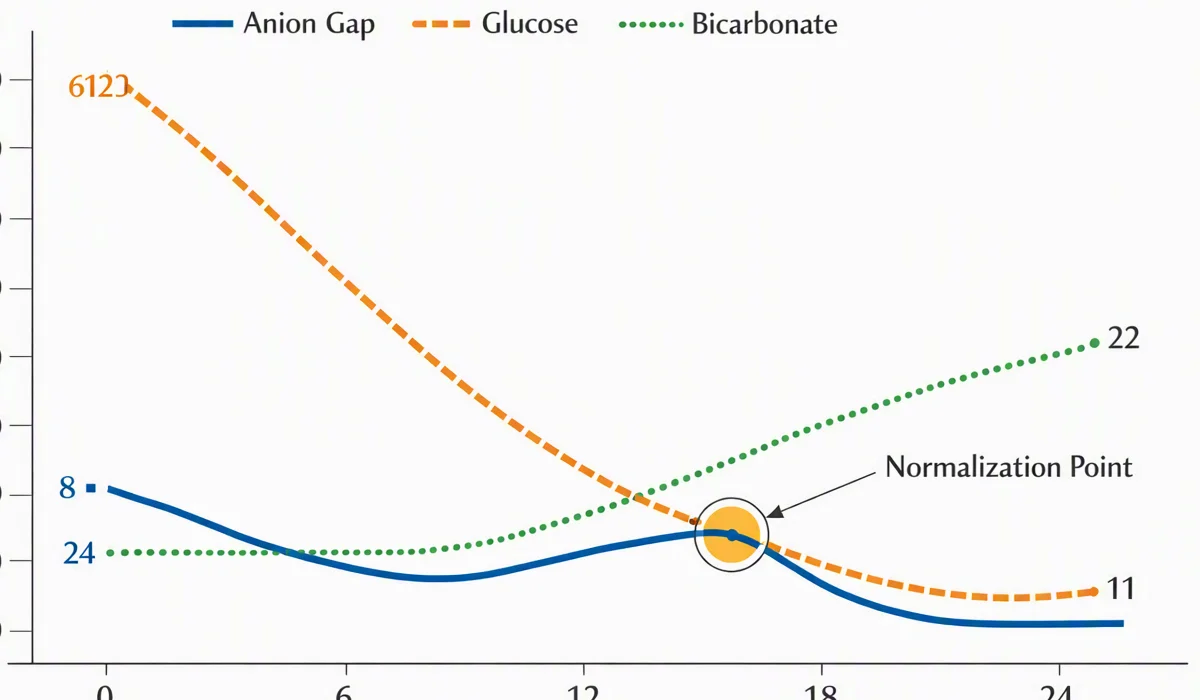
This difference may seem minor, but it can change the final anion gap value. Since potassium is usually present in a smaller amount than sodium, the numeric change is limited, yet it can matter when comparing results across different lab systems or when tracking a borderline value.
Some clinicians prefer the version without potassium because it is widely used in modern practice. Others include potassium because it shows a more accurate charge balance and can be useful in select situations. Either way, the most important step is to know which equation your calculator uses and to assess the result carefully.
How to Work Out the Anion Gap Stepwise
To work out the anion gap, start with the relevant test results from the chemistry panel. You will need serum sodium, serum chloride, and https://anion-gap-help585.inkharbory.com/posts/a-guide-to-using-an-anion-gap-calculator-in-biochemical-testing serum bicarbonate; potassium is optional depending on the equation depending on the formula. Choosing the correct equation matters because a calculator cannot compensate for mismatched inputs and formula assumptions.
Here is a simple stepwise process:
- Find the sodium value on the chemistry panel. Find the chloride value. Find the bicarbonate value, often listed as CO2 or total CO2. Choose between the traditional formula or the potassium-inclusive formula. Enter the numbers into the calculator or calculate manually. Review the result with the lab reference range used by that laboratory.
Here is an example with the traditional formula:
If sodium is 140, chloride is 102, and bicarbonate is 24, then:
140 - (102 + 24) = 14
Example using potassium-inclusive formula:
If sodium is 140, potassium is 4, chloride is 102, and bicarbonate is 24, then:
140 + 4 - (102 + 24) = 18
The difference shows why the calculator should clearly identify whether it is reporting an uncorrected anion gap or a potassium-inclusive result. In either case, the value is only one part of the overall metabolic picture.
Typical Anion Gap Range and How Abnormal Results Mean
The normal range for the anion gap depends on the lab reference range and the specific calculation method. Different laboratories may report different reference interval values because of their measurement techniques and whether they include potassium.
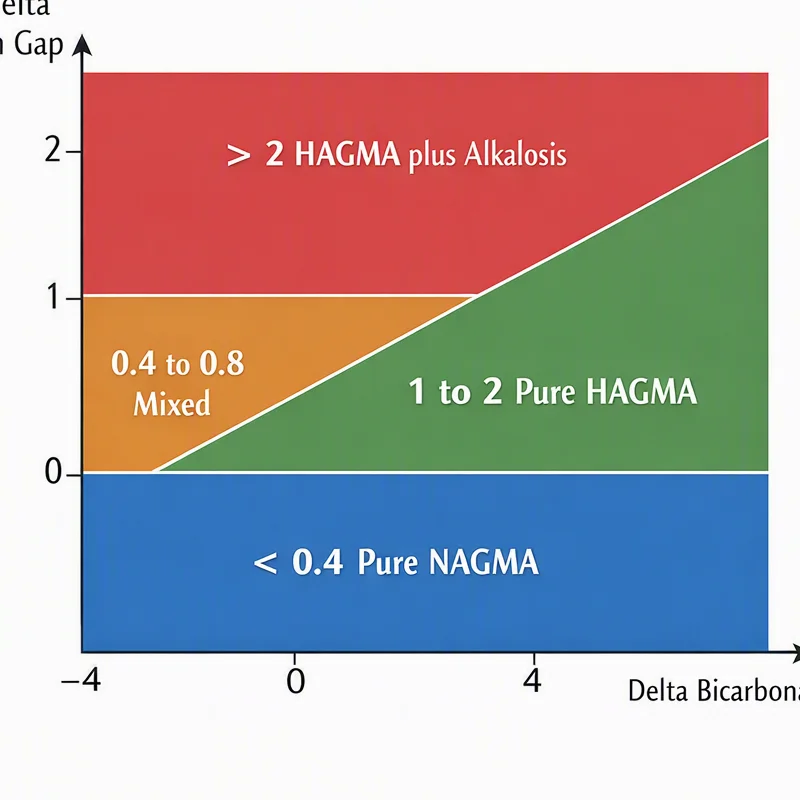
A increased anion gap usually suggests that additional acidic substances are present in excess. This pattern is often seen in metabolic acidosis caused by acid accumulation. A standard anion gap, on the other hand, can still occur in acidosis if bicarbonate loss is matched by chloride gain, producing a different biochemical pattern.
Interpretation should never rely on a single number alone. A mildly elevated value may be insignificant in one context but important in another, especially if the patient has symptoms or other abnormal lab findings. The exact meaning depends on the patient’s clinical interpretation and the surrounding data.
It is also important to compare the calculated result with the local lab reference range rather than a generic number from another source. The same anion gap value may be normal in one system and abnormal in another.
Why Potassium Might Be Added in the Equation
Including potassium in the equation is based on the idea of charge balance. In body fluids, negative and positive charges must be equal. Because potassium is a measured cation, adding it to the formula gives a more complete picture of the major ions contributing to the net charge balance.
From a real-world standpoint, potassium inclusion may improve certain aspects of clinical interpretation, especially when a clinician wants to compare the result with older literature or with settings that still use the potassium-inclusive version. It can also be useful when reviewing borderline values or when following a patient over time using the same formula.
That said, many modern references support the traditional formula because potassium contributes more modestly to the total than sodium and because excluding it simplifies routine use. The best choice depends on the purpose of the calculation, the calculator settings, and the local reporting convention.
When using any anion gap calculator, consistency matters more than preference. If you change formulas without noticing, you may overlook a trend or magnify the significance of a result.
Causes of Increased Anion Gap Metabolic Acidosis
A high anion gap is most commonly associated with acid buildup in the body caused by the buildup of acids that are not directly measured on routine blood tests. This is a key sign in many forms of acid-base imbalance and often prompts a deeper search for the source of the acid load.
Two classic causes are excess lactate and ketone-related acidosis. In lactic acidosis, the body creates excess lactate due to poor oxygen delivery, altered metabolism, or other stress states. In ketoacidosis, ketone bodies accumulate, often in the setting of insulin deficiency, prolonged fasting, or severe illness.
Other causes can include toxins, kidney failure, or severe tissue breakdown, but the key concept is the same: extra acid enters the system, bicarbonate is consumed, and the anion gap rises. This is why the anion gap is such a useful diagnostic tool in acid-base evaluation.
When reviewing a high value, clinicians often combine the anion gap with a blood gas and serum bicarbonate level to assess severity and to determine whether the acidosis is compensated or worsening.
Sources of Normal Anion Gap Metabolic Acidosis
A normal gap cannot rule out acidosis. In fact, a typical pattern is hyperchloremic acidosis, where bicarbonate falls but chloride rises to keep charge balance. This produces a normal calculated gap even though the patient still has an acid-base problem.
One frequent cause is diarrhea, which leads to loss of bicarbonate from the gastrointestinal tract. Another major cause is renal tubular acidosis, a group of disorders in which the kidneys fail to handle acid and bicarbonate properly. In both cases, the body loses bicarbonate and chloride increases relative to the change, keeping the gap in the normal range.
Because of this, a normal number should not stop the evaluation if the patient appears clinically acidotic. The broader pattern of lab findings, symptoms, and blood gas data may still point to a serious acid-base problem.
Calculating the Anion Gap for Albumin
Albumin is among the main unmeasured negative ions in the blood, so variations in albumin can alter the apparent anion gap. When a patient has hypoalbuminemia, the measured gap may seem lower than it truly is. This is why albumin correction is often recommended in clinical practice.
A modified anion gap can expose occult acid accumulation that would otherwise be undetected. If albumin is low, the measured gap may downplay the severity of an underlying metabolic problem. In that setting, using an albumin correction enhances the accuracy of the result and improves the interpretive value of the calculator.
Exact correction is based on the technique selected by the testing lab or source used, but the idea is consistent: decreased albumin means fewer not directly measured negatively charged ions, so the observed gap can appear deceptively typical. Adjusting for albumin gives a more accurate picture for clinical assessment.
For that reason, an anion gap calculator works best when it enables the user to review albumin alongside sodium, chloride, bicarbonate, and potassium. Such a combination provides a more complete interpretive framework.
How to Interpret Results in Clinical Context
This anion gap must consistently be interpreted in conjunction with the remainder of the clinical picture. A result from a tool is not a determination by itself. Instead it is one sign in a larger clinical assessment process that may include complaints, current medications, physical examination findings, arterial blood gas results, and follow-up laboratory checks.
For example, a patient with reduced serum bicarbonate, high anion gap, and clinical signs of illness may have a serious metabolic condition. A different patient with the same result but normal blood gas findings and no complaints may need only monitoring or additional review of lab methods.
The clinical picture also counts when the result is adjacent to the lab reference range. Small shifts in chloride or bicarbonate can push the calculated value higher or lower, especially if the analyzer or collection method adds variability. That is why a good anion gap calculator helps with interpretation, but does not replace clinical judgment.
Typical Mistakes In Using an Anion Gap Calculator
A number of analysis pitfalls can cause confusion when using an anion gap calculator. One typical mistake is measurement variance, which may come from sample processing, analyzer variation, or mistyped entry of the lab values. Even a a small error in sodium, chloride, or bicarbonate can alter the final number.
Another mistake is ignoring the laboratory reference range. A result that seems unusual in one setting may be expected in another because each laboratory sets its own reference interval. If you are comparing results across systems, always check whether the calculator uses the same method and whether it is reporting a potassium-inclusive or traditional result.
Another issue is assuming that every elevated result means the same thing. The anion gap is a useful clinical tool, but it must be paired with other data to determine whether there is true acidotic disturbance, a mixed disorder, or a lab artifact. A careful review of the serum chemistry results, blood gas, and history helps prevent overinterpretation.
In addition, users sometimes overlook albumin status. Without albumin adjustment, a patient with hypoalbuminemia may have a deceptively normal or low anion gap. Being aware of that possibility improves the quality of clinical review.
Common Questions
What is an anion gap calculator with potassium?
An anion gap calculator with potassium is a resource that calculates the anion gap using sodium, chloride, bicarbonate, and optionally potassium. It helps assess electrolyte levels and supports evaluation of acid-base balance and possible acidotic states.
How do you calculate the anion gap with potassium included?
Use the potassium-inclusive formula: sodium plus potassium minus chloride and bicarbonate. In equation form, it is anion gap = sodium + potassium - (chloride + bicarbonate). Make sure the numbers come from the same serum lab panel.
When should potassium be included in the anion gap formula?
Potassium may be included when the calculator or reference source uses the potassium-inclusive approach, or when a clinician wants to compare results using that method. The choice should be uniform because formula differences can affect the anion gap value and its clinical interpretation.
What is the meaning of a high anion gap?
A high anion gap often suggests excess unmeasured acids and is commonly seen in metabolic acidosis. Important causes include lactic acidosis and ketoacidosis. The result should be reviewed with the blood gas, serum bicarbonate, and overall clinical picture.
Does it need to be the anion gap be corrected for albumin?
Yes, in many cases it should. Hypoalbuminemia can make the gap appear lower than it really is, so albumin correction may reveal a more accurate corrected anion gap. This is especially important when the result seems unexpectedly normal despite signs of acidosis.